
Sweden's uranium story is entering a new chapter.
A simple exploration strategy: use modern exploration techniques to generate new, quality data; apply machine learning and AI to prioritise targets; and focus drilling where it can deliver the greatest exploration value.
District-scale ground in Sweden.
Neu Horizon holds 22 exploration permits across five projects: Arvidsjaur, Berg, Hotagen, Krokom and Vilhelmina, targeting black-shale and structurally-controlled uranium deposits.
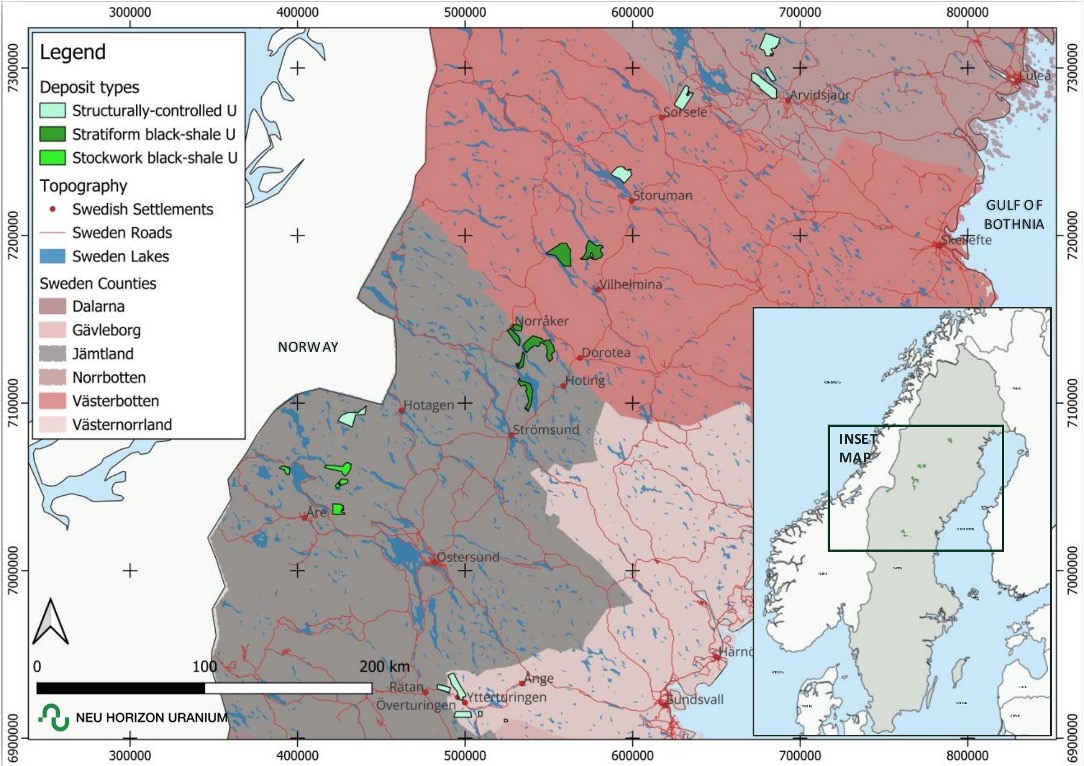
Modern data = better targeting.
The systematic collection of new airborne geophysics, followed by focused ground geophysical surveys, geological mapping, sampling and historical core re-logging provides different pieces of the geological picture. Integrated, the data helps the team delineate drill targets.
Sources: Company announcement, 18 September 2026; Company presentation. The summer campaign delivered the first modern uranium dataset over these projects in four decades.
Explore the opportunities within the portfolio.
Krokom Project
- Target
- Targeting stockwork-type black-shale uranium mineralisation, with Germany's historic Ronneburg deposits providing a geological reference.
- Evidence
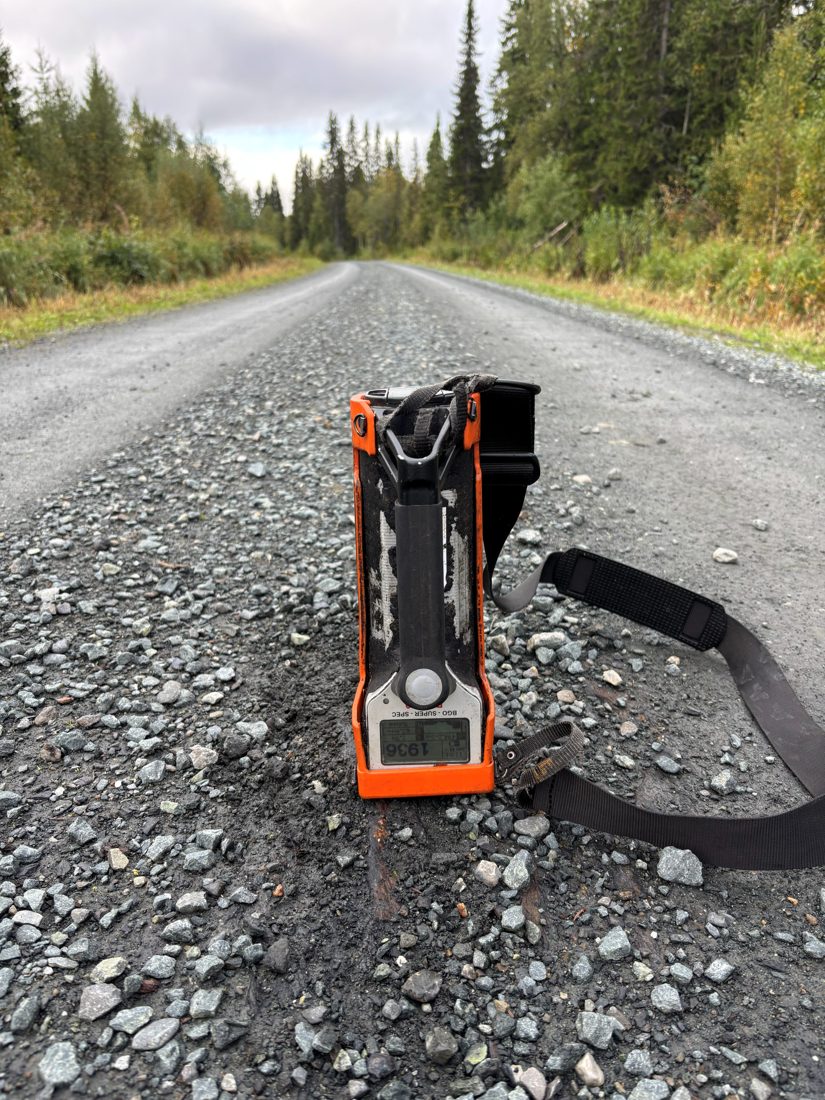
- Four prospects (Storvallflon, Djupsjöberget, Kälen and Hamborg). At Storvallflon, a more than 2 km-long EM conductor coincides with strongly anomalous surface uranium, with ground spectrometer results up to 1,800 ppm U in selected areas. 3D modelling suggests an antiformal black-shale sequence that may extend down-dip beneath the surface anomalies. Source: Company announcement, 14 October 2026.
- Next step
- Finalise drill collars for a 4,000 m diamond drilling program targeted for Q1 2027, subject to regulatory work-plan approval.
Geological reference: Ronneburg, Germany (third-party)
Ronneburg produced over 290 Mlbs U3O8 at average grades above 900 ppm U3O8. Third-party, historical or foreign estimate, not reported in accordance with the JORC Code and not verified by Neu Horizon. It is context for the geological setting only and does not establish equivalent mineralisation on Neu Horizon ground. Source
Vilhelmina Project
- Target
- Targeting stratiform-type black-shale uranium mineralisation, with Sweden's Viken deposit providing a geological analogue.
- Evidence
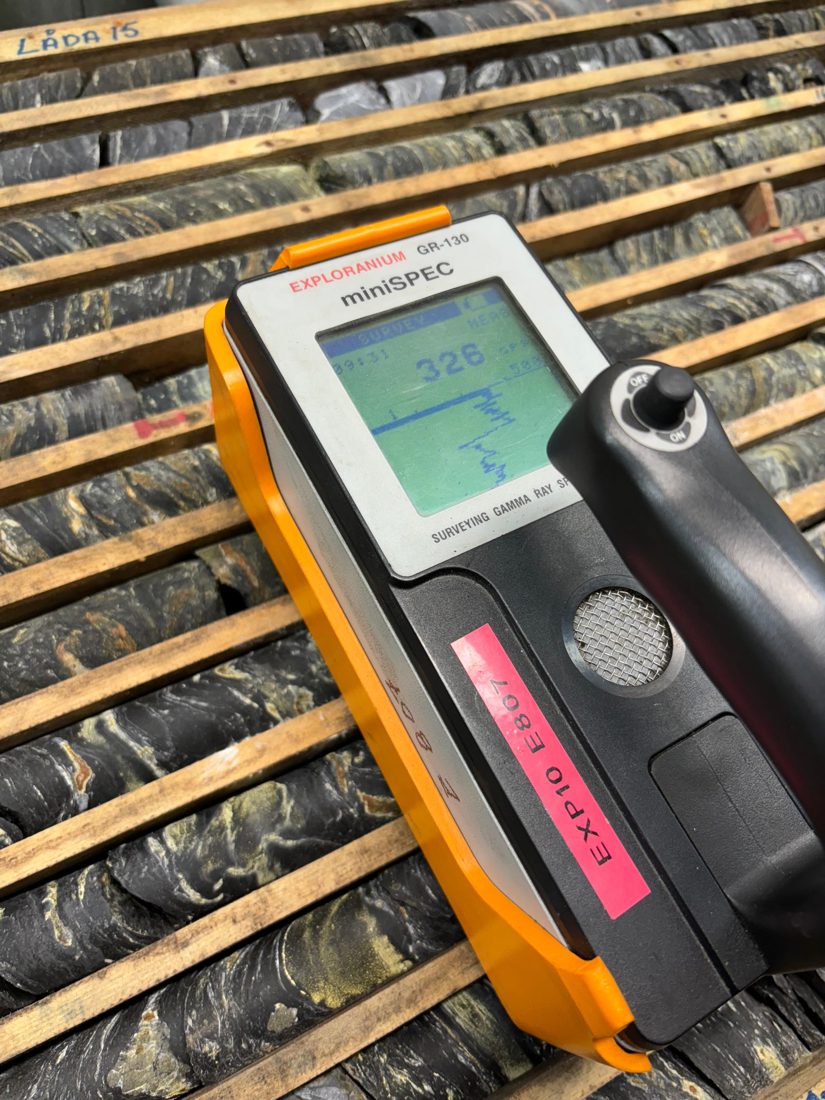
- At Brattremmen, 14 historical core holes intersected stratiform-type black-shale uranium mineralisation (historical results, not verified by Neu Horizon). The integration and interpretation of historical drill core and new geophysical and field data (SkyTEM EM, carborne RS-230 radiometric data and rock-chip uranium results) has helped define high-priority targets. Source: Independent Technical Report, Dr Peter Siegfried (2026).
- Next step
- Finalise drill collars for a 1,000 m summer core drilling program planned for Q3 2027, subject to permitting.
Geological reference: Viken, Sweden (third-party)
Viken has a combined NI 43-101 Indicated and Inferred resource containing 1,676 Mlbs U3O8 at an average grade of about 162 ppm U3O8 (District Metals). Third-party, historical or foreign estimate, not reported in accordance with the JORC Code and not verified by Neu Horizon. It is context for the geological setting only and does not establish equivalent mineralisation on Neu Horizon ground. Source
Arvidsjaur Project
- Target
- Targeting structurally controlled uranium mineralisation, with the Russian Yuzhnaya deposits providing a geological reference.
- Evidence
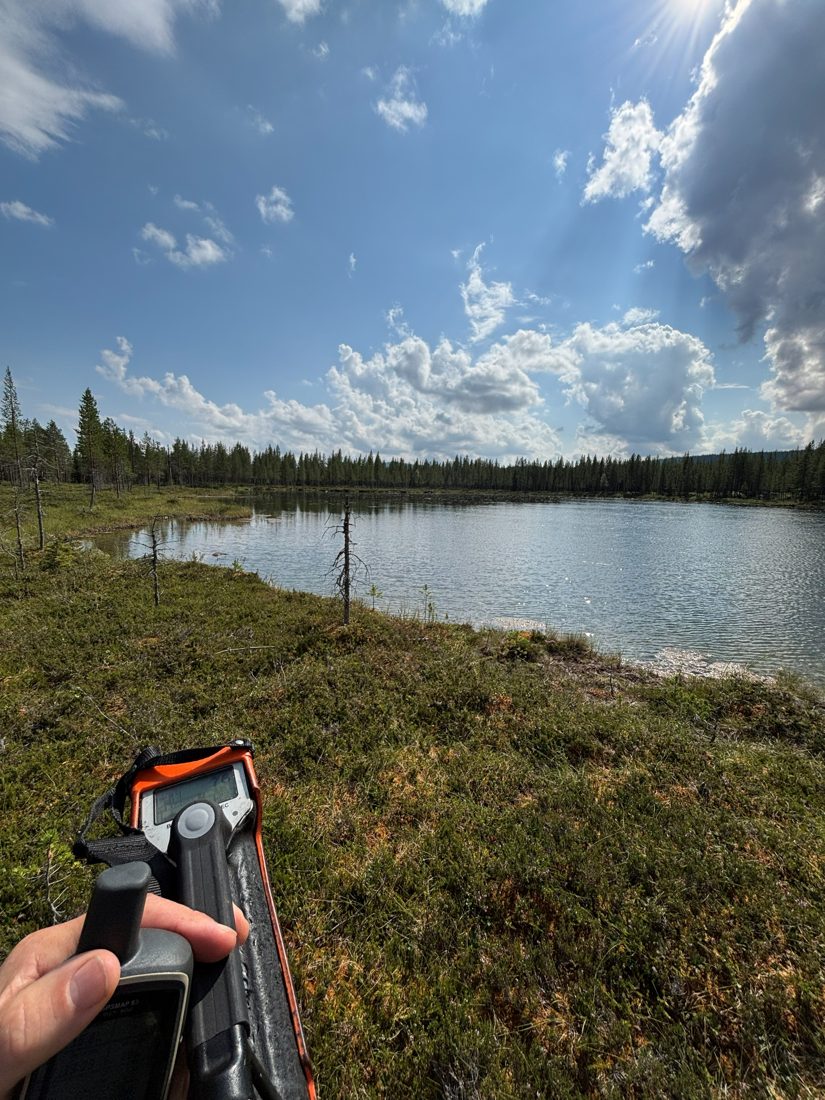
- Historical drilling intersected uranium mineralisation in multiple holes at Ravenberget, providing a strong starting point for modern exploration (historical results, not verified by Neu Horizon). At Suddesjaur, a compelling uranium boulder anomaly discovered by the SGU (1980s) and corroborated by Neu Horizon (2025) remains undrilled; boulder results do not establish the grade or extent of bedrock mineralisation. Recently acquired Radai magnetic, RadonX, Medusa ground spectrometer U238 and uranium rock-chip results delineate high-priority drill targets. Sources: Company announcement, 18 September 2026; Independent Technical Report, Dr Peter Siegfried (2026).
- Next step
- Finalise drill collars for a 1,000 m core and/or percussion drilling program planned for Q3 2027, subject to permitting.
Geological reference: Yuzhnaya, Russia (third-party)
Yuzhnaya contains over 560 Mlbs U3O8 at 0.146% U3O8. Third-party, historical or foreign estimate, not reported in accordance with the JORC Code and not verified by Neu Horizon. It is context for the geological setting only and does not establish equivalent mineralisation on Neu Horizon ground. Sources: Company announcement, 18 September 2026; Independent Technical Report, Dr Peter Siegfried (2026).
Hotagen Project
- Target
- Targeting structurally controlled uranium mineralisation, with the neighbouring Lilljuthatten, Nöjdfjället and Kläppibäcken deposits providing a geological reference.
- Evidence
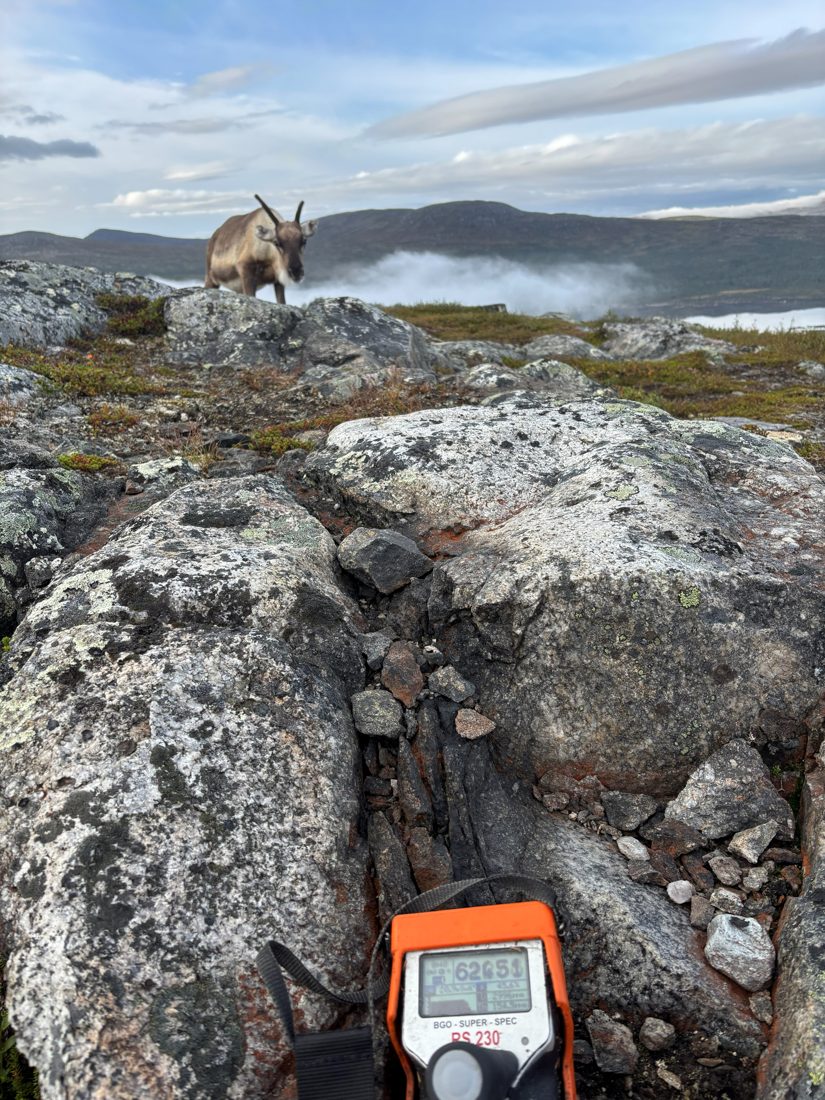
- A compelling uranium boulder field discovered and drill tested by the SGU (1980s) never intersected the source of the mineralisation. Neu Horizon corroborated the boulder field location in 2025, with one boulder returning over 1% U3O8. This is a selective boulder sample result and does not establish the grade or extent of bedrock mineralisation. Sources: Company announcement, 18 September 2026; Independent Technical Report, Dr Peter Siegfried (2026).
- Next step
- Fly the area with high-resolution Radai drone magnetics and radiometrics in Q1/Q2 2027.
Geological reference: Lilljuthatten, Nöjdfjället and Kläppibäcken (third-party)
These neighbouring deposits collectively contain over 10 Mlbs U3O8 at 0.1% U3O8. Third-party, historical or foreign estimate, not reported in accordance with the JORC Code and not verified by Neu Horizon. It is context for the geological setting only and does not establish equivalent mineralisation on Neu Horizon ground. Source: Independent Technical Report, Dr Peter Siegfried (2026).
Berg Project
- Target
- Targeting structurally controlled and pegmatite-hosted uranium mineralisation, with the neighbouring Sågtjärn deposit providing a geological reference.
- Evidence
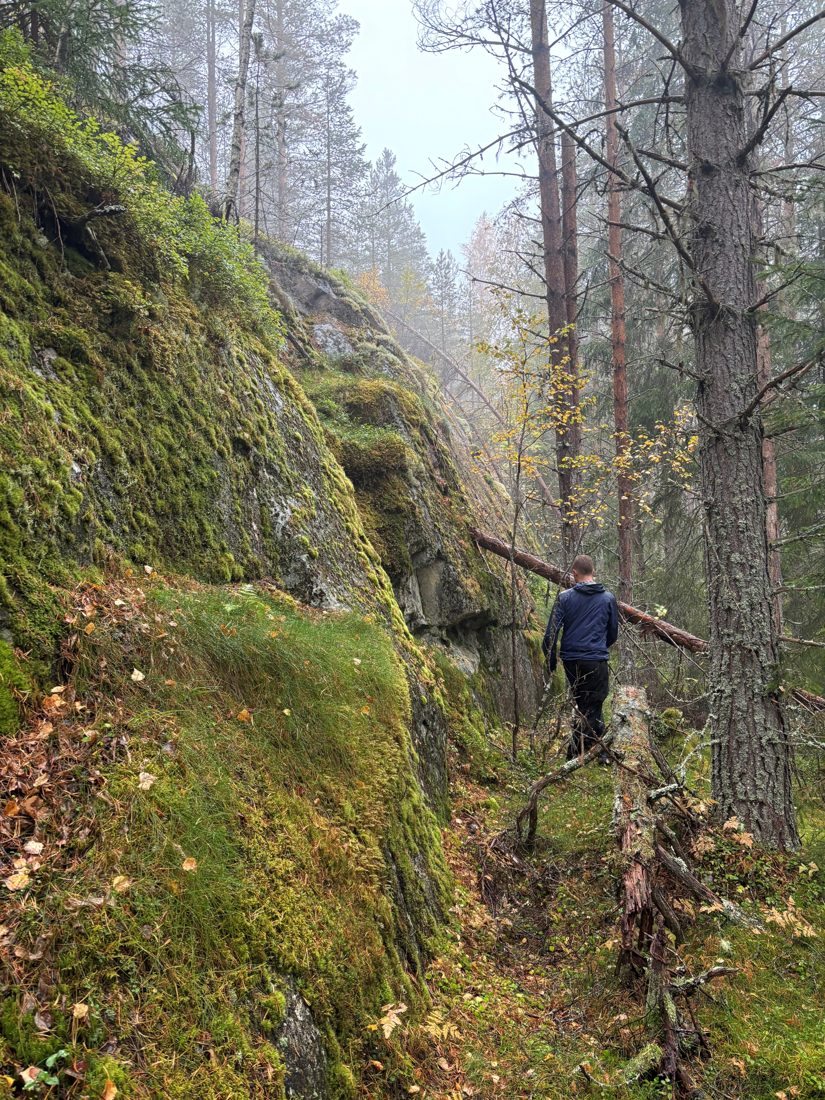
- At Gillberget, historical rock-chip and boulder sampling by the SGU (1970s) discovered multiple uranium occurrences, which were corroborated by Neu Horizon during the 2025 field season through RS-230 ground spectrometer surveying, geological mapping and rock-chip sampling. Historical and selective sample results do not establish the grade or extent of bedrock mineralisation. Source: Independent Technical Report, Dr Peter Siegfried (2026).
- Next step
- Fly the area with high-resolution Radai drone magnetics and radiometrics in Q1/Q2 2027.
Geological reference: Sågtjärn (third-party)
Sågtjärn contains over 1.1 Mlbs U3O8 at 0.068% U3O8 (District Metals). Third-party, historical or foreign estimate, not reported in accordance with the JORC Code and not verified by Neu Horizon. It is context for the geological setting only and does not establish equivalent mineralisation on Neu Horizon ground. Source
Areas per Prospectus (19 May 2026). Drilling programs are planned and subject to permitting.
A new landscape for exploration.
The lifting of Sweden's uranium mining ban opens a new chapter for exploration in a country with limited systematic uranium exploration since the mid-1980s.
| Date | Change |
|---|---|
| 2018 to 31 Dec 2025 | Moratorium in place: uranium exploration and mining prohibited under the Environmental Code. |
| 1 Jan 2026 | Extraction ban ended. Uranium classified as a concession mineral under the Minerals Act. |
| 15 Jul 2026 | Further amendments took effect, including removal of the municipal approval requirement for uranium extraction. |
Sources: Swedish Parliament (Riksdagen), 5 November 2025; Company announcement, 18 September 2026. The regulatory position may continue to evolve.
Follow the move towards drilling.
See the latest exploration update and the work shaping the next program.